
Contents
- 🔥 Introduction to the French Revolution
- 📆 Causes of the French Revolution
- 👑 The Estates General of 1789
- 📣 The National Assembly and the Tennis Court Oath
- 🚫 The Fall of the Bastille
- 👊 The Reign of Terror
- 🏛️ The Rise of Napoleon Bonaparte
- 🕊️ The Coup of 18 Brumaire
- 📊 Legacy of the French Revolution
- 🤝 Influence of the French Revolution on Modern Democracy
- 📚 Key Figures of the French Revolution
- Frequently Asked Questions
- Related Topics
Overview
The French Revolution, spanning from 1789 to 1799, was a pivotal event that not only shaped France's future but also had far-reaching consequences for European and world history. It began as a revolt against the absolute monarchy and the feudal system, fueled by the ideas of the Enlightenment, such as liberty, equality, and fraternity. Key figures like Maximilien Robespierre, Louis Antoine de Saint-Just, and Napoleon Bonaparte played significant roles in its progression. The Revolution's impact was profound, leading to the establishment of the First French Republic, the execution of King Louis XVI, and the Reign of Terror. With a vibe score of 8, reflecting its significant cultural and historical impact, the French Revolution remains a subject of intense study and debate. Its influence can be seen in political movements and social upheavals around the world, making it a cornerstone of modern political philosophy.
🔥 Introduction to the French Revolution
The French Revolution was a pivotal event in modern history, marking a significant shift in the way societies were organized and governed. It began with the Estates General of 1789, which was convened to address the country's financial crisis. However, the assembly soon became a platform for more radical ideas, including the principles of liberal democracy and the concept of human rights. The revolution's emphasis on egalitarianism and fraternal solidarity also played a crucial role in shaping its ideology. As the revolution progressed, it became clear that the monarchical system was no longer tenable, and a new form of government was needed.
📆 Causes of the French Revolution
The causes of the French Revolution were complex and multifaceted, involving a combination of social, political, and economic factors. The country was facing a severe financial crisis, with a large debt and a tax system that was widely seen as unfair. The social hierarchy of the time, which was divided into three estates, also created significant tensions and resentments. The Enlightenment ideas of thinkers such as Voltaire and Jean-Jacques Rousseau also played a significant role in shaping the revolution's ideology. The American Revolution had also shown that it was possible to overthrow a monarch and establish a new form of government. As the revolution gained momentum, the National Assembly became a key player in shaping the country's future.
👑 The Estates General of 1789
The Estates General of 1789 was a pivotal event in the French Revolution, marking the first time that representatives of the three estates had met since 1614. The assembly was convened to address the country's financial crisis, but it soon became clear that the representatives of the Third Estate had a more radical agenda. They demanded greater representation and more power for the common people, and they were influenced by the ideas of liberal thinkers such as Montesquieu. The Tennis Court Oath, which was taken by the representatives of the Third Estate, marked a significant turning point in the revolution, as it showed that the people were willing to challenge the authority of the monarch. The feudal system was also under attack, as the revolutionaries sought to establish a more egalitarian society.
📣 The National Assembly and the Tennis Court Oath
The National Assembly and the Tennis Court Oath were key events in the French Revolution, marking a significant shift in the balance of power between the monarch and the people. The National Assembly, which was formed in 1789, was a representative body that was elected by the people, and it soon became a platform for more radical ideas. The Constitution of 1791, which was drafted by the National Assembly, established a new form of government that was based on the principles of liberal democracy. The separation of powers was also established, with a clear distinction between the legislative, executive, and judicial branches of government. The Bill of Rights, which was inspired by the American Bill of Rights, also guaranteed certain fundamental rights and freedoms to all citizens.
🚫 The Fall of the Bastille
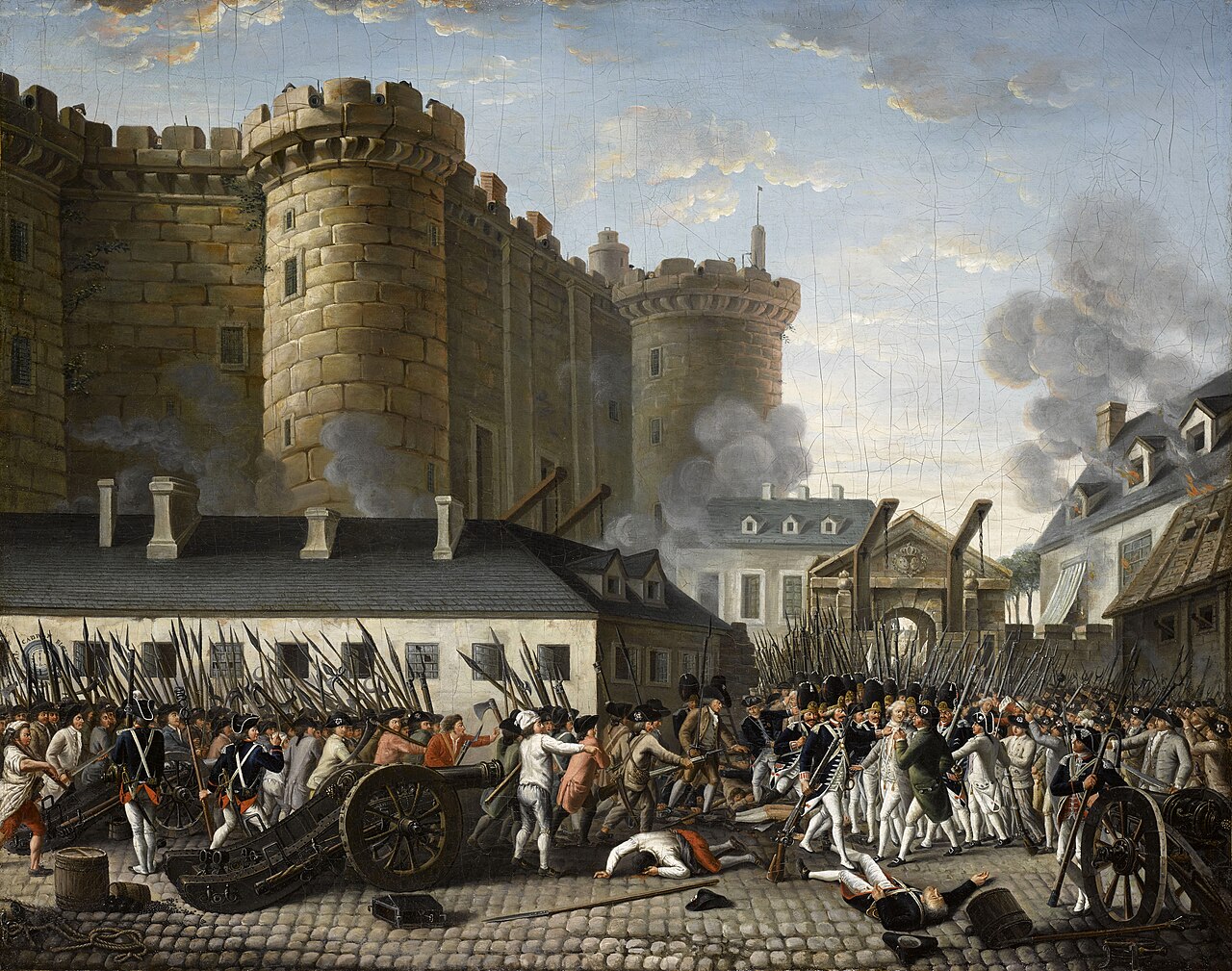
The Fall of the Bastille was a pivotal event in the French Revolution, marking a significant turning point in the struggle between the people and the monarch. The Bastille prison, which was a symbol of the absolute power of the monarch, was stormed by a mob of protesters on July 14, 1789. The event marked a significant shift in the balance of power, as it showed that the people were willing to challenge the authority of the monarch. The Great Fear, which was a wave of panic and violence that swept the countryside, also played a significant role in the revolution, as it created a sense of urgency and desperation among the population. The Committee of Public Safety, which was established in 1793, also played a crucial role in shaping the revolution's ideology and implementing its policies.
👊 The Reign of Terror
The Reign of Terror was a dark period in the French Revolution, marked by violence, repression, and fear. The Committee of Public Safety, which was established in 1793, was responsible for identifying and punishing enemies of the revolution. The guillotine, which was a new form of execution that was introduced during this period, became a symbol of the terror, as thousands of people were executed for perceived counter-revolutionary activities. The Maximilien Robespierre, who was a leading figure in the Committee of Public Safety, played a significant role in shaping the revolution's ideology and implementing its policies. The Festival of the Supreme Being, which was held in 1794, also marked a significant turning point in the revolution, as it showed that the people were willing to challenge the authority of the Catholic Church.
🏛️ The Rise of Napoleon Bonaparte
The Rise of Napoleon Bonaparte was a significant event in the French Revolution, marking a new phase in the country's history. Napoleon Bonaparte, who was a brilliant military strategist and a charismatic leader, rose to power in 1799, after a successful coup d'etat. He established a new form of government, known as the Consulate, which was based on the principles of authoritarianism. The Napoleonic Code, which was introduced in 1804, also established a new system of laws that was based on the principles of egalitarianism and justice. The French Empire, which was established in 1804, marked a significant turning point in the country's history, as it showed that France was a major power in Europe.
🕊️ The Coup of 18 Brumaire
The Coup of 18 Brumaire was a significant event in the French Revolution, marking the end of the revolution and the beginning of a new era in French history. The coup, which was led by Napoleon Bonaparte, marked a significant turning point in the country's history, as it showed that the revolution was over and a new form of government was being established. The Consulate, which was established in 1799, was a new form of government that was based on the principles of authoritarianism. The French Directory, which was the governing body of France from 1795 to 1799, was also abolished, and a new system of government was established. The Coup of 18 Brumaire marked a significant turning point in the country's history, as it showed that the revolution was over and a new era was beginning.
📊 Legacy of the French Revolution
The Legacy of the French Revolution is still felt today, as it marked a significant turning point in the history of modern democracy. The revolution's emphasis on egalitarianism, liberty, and fraternal solidarity played a significant role in shaping the modern concept of democracy. The French Revolution also inspired other revolutions and movements for democracy around the world, including the American Revolution and the Latin American independence movements. The human rights movement, which was inspired by the revolution's emphasis on the inherent dignity and worth of all human beings, also played a significant role in shaping modern international law. The United Nations, which was established in 1945, also reflects the revolution's emphasis on international cooperation and the protection of human rights.
🤝 Influence of the French Revolution on Modern Democracy
The Influence of the French Revolution on Modern Democracy is still felt today, as it marked a significant turning point in the history of modern democracy. The revolution's emphasis on egalitarianism, liberty, and fraternal solidarity played a significant role in shaping the modern concept of democracy. The French Revolution also inspired other revolutions and movements for democracy around the world, including the American Revolution and the Latin American independence movements. The democratic socialist movement, which was inspired by the revolution's emphasis on social and economic equality, also played a significant role in shaping modern politics. The welfare state, which was established in many countries in the 20th century, also reflects the revolution's emphasis on social and economic equality.
📚 Key Figures of the French Revolution
The Key Figures of the French Revolution played a significant role in shaping the revolution's ideology and implementing its policies. Maximilien Robespierre, who was a leading figure in the Committee of Public Safety, played a significant role in shaping the revolution's ideology and implementing its policies. Napoleon Bonaparte, who rose to power in 1799, also played a significant role in shaping the country's history. Louis XVI, who was the king of France at the time of the revolution, also played a significant role in shaping the revolution's ideology and implementing its policies. The Marie Antoinette, who was the queen of France at the time of the revolution, also played a significant role in shaping the revolution's ideology and implementing its policies.
Key Facts
- Year
- 1789
- Origin
- Paris, France
- Category
- History
- Type
- Historical Event
Frequently Asked Questions
What were the main causes of the French Revolution?
The main causes of the French Revolution were a combination of social, political, and economic factors, including the financial crisis, the social hierarchy, and the influence of Enlightenment ideas. The Estates General of 1789 also played a significant role in shaping the revolution's ideology and implementing its policies. The American Revolution had also shown that it was possible to overthrow a monarch and establish a new form of government. As the revolution gained momentum, the National Assembly became a key player in shaping the country's future.
Who were the key figures of the French Revolution?
The key figures of the French Revolution included Maximilien Robespierre, Napoleon Bonaparte, Louis XVI, and Marie Antoinette. These individuals played a significant role in shaping the revolution's ideology and implementing its policies. The Committee of Public Safety, which was established in 1793, also played a crucial role in shaping the revolution's ideology and implementing its policies.
What was the significance of the French Revolution?
The French Revolution was a significant event in modern history, marking a shift in the way societies were organized and governed. The revolution's emphasis on egalitarianism, liberty, and fraternal solidarity played a significant role in shaping the modern concept of democracy. The French Revolution also inspired other revolutions and movements for democracy around the world, including the American Revolution and the Latin American independence movements.
How did the French Revolution influence modern democracy?
The French Revolution had a significant influence on modern democracy, as it marked a shift in the way societies were organized and governed. The revolution's emphasis on egalitarianism, liberty, and fraternal solidarity played a significant role in shaping the modern concept of democracy. The French Revolution also inspired other revolutions and movements for democracy around the world, including the American Revolution and the Latin American independence movements. The democratic socialist movement, which was inspired by the revolution's emphasis on social and economic equality, also played a significant role in shaping modern politics.
What was the impact of the French Revolution on European history?
The French Revolution had a significant impact on European history, as it marked a shift in the way societies were organized and governed. The revolution's emphasis on egalitarianism, liberty, and fraternal solidarity played a significant role in shaping the modern concept of democracy. The French Revolution also inspired other revolutions and movements for democracy around the world, including the American Revolution and the Latin American independence movements. The Napoleonic Wars, which were fought from 1803 to 1815, also had a significant impact on European history, as they marked a significant shift in the balance of power on the continent.
How did the French Revolution shape the modern concept of human rights?
The French Revolution played a significant role in shaping the modern concept of human rights, as it emphasized the inherent dignity and worth of all human beings. The Declaration of the Rights of Man and of the Citizen, which was adopted in 1789, established a set of fundamental rights and freedoms that were seen as universal and inalienable. The human rights movement, which was inspired by the revolution's emphasis on the inherent dignity and worth of all human beings, also played a significant role in shaping modern international law. The United Nations, which was established in 1945, also reflects the revolution's emphasis on international cooperation and the protection of human rights.
What was the role of the Committee of Public Safety in the French Revolution?
The Committee of Public Safety played a significant role in the French Revolution, as it was responsible for identifying and punishing enemies of the revolution. The Committee of Public Safety, which was established in 1793, was a powerful body that was responsible for implementing the revolution's policies and suppressing opposition. The Maximilien Robespierre, who was a leading figure in the Committee of Public Safety, played a significant role in shaping the revolution's ideology and implementing its policies.